
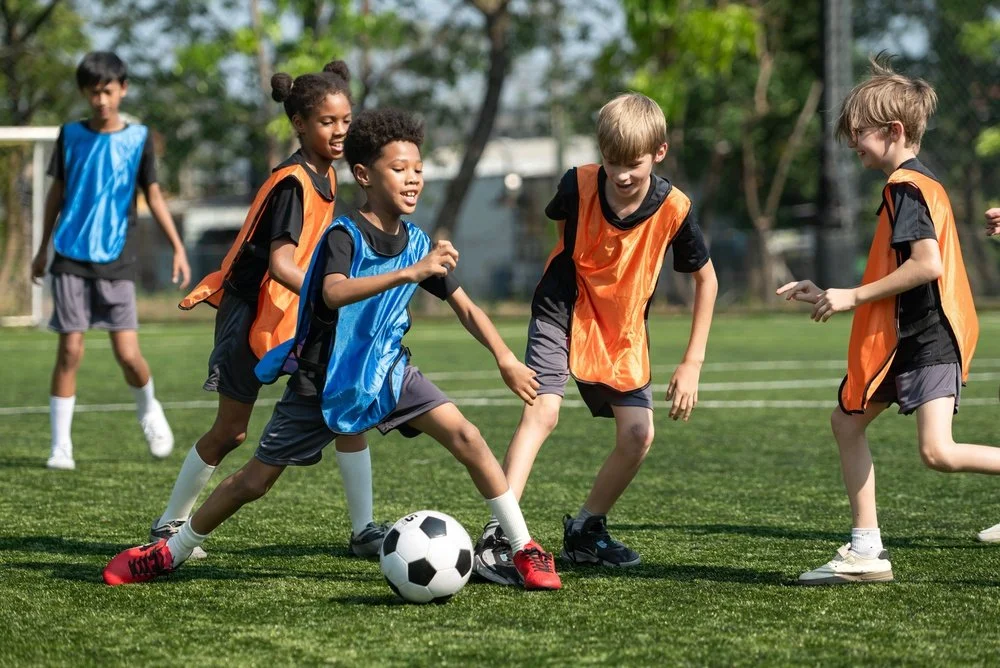
A sports guard that fits well when it was made can feel noticeably different a year later, and not just because you've gotten used to it. Fit changes over time, and a guard that no longer fits correctly offers a lot less protection than most athletes realize.
Why Fit Changes Over Time
Teeth and Jaws Don't Stay Static
Younger athletes are still growing, which means the jaw and bite can change significantly within a relatively short period. A guard made at thirteen may fit poorly at fifteen simply because the mouth has continued to develop.
Orthodontic Treatment Shifts Things
If your child has had braces, aligners, or a retainer since their guard was made, the position of the teeth has likely changed. A guard fitted before orthodontic treatment rarely fits well during or after it.
The Material Wears Down
Even without changes to the mouth itself, sports guard material breaks down with regular use. Heat from the mouth, repeated biting pressure, and cleaning over time all affect the shape and density of the guard, which can cause it to sit differently on the teeth even when nothing about the mouth has changed.
Signs the Guard No Longer Fits
It Moves Around During Activity
A well-fitted guard stays in place without constant adjustment. If your child is pushing it back into position with their tongue during practice, or if it shifts when they bite down, the fit has changed.
It Feels Loose Right Away
A guard should settle firmly over the teeth with light pressure. If it slides or wobbles from the moment it goes in, that's a clear sign the guard is no longer shaped to match the current position of the teeth.
It Causes Discomfort in a New Spot
Some soreness is normal with a brand-new guard during the first few uses. Soreness that develops in a specific spot on a guard that has been used for a while, particularly if nothing has changed about how it's being worn, often means the guard is no longer distributing pressure evenly across the teeth.
It Has Visible Wear, Tears, or Thinning
A guard that shows thinning in certain areas, surface cracks, or visible tears has compromised structural integrity. Thinned material absorbs impact less effectively, which reduces the protection it provides during contact.
It Has a Persistent Odour Even After Cleaning
A guard that retains odour after proper cleaning may have developed microscopic cracks or surface degradation where bacteria can accumulate. Beyond the hygiene concern, this level of material breakdown can also affect how the guard fits and performs.
Difficulty Breathing or Speaking During Use
A guard that doesn't fit properly can shift in ways that partially block airflow or make normal speech more difficult than it should be. Athletes who find themselves removing the guard frequently during activity because of discomfort or difficulty breathing are often wearing one that no longer fits correctly.
Why a Poor-Fitting Guard Is Worth Addressing
Less Protection Than You Expect
The protective function of a sports guard depends almost entirely on how well it fits. A loose or worn guard absorbs and distributes impact differently than a well-fitted one, which can leave the teeth and jaw more vulnerable than the athlete realizes during contact situations.
Jaw Protection Matters Too
A guard that fits properly provides some cushioning for the jaw joint during impact. A guard that moves around or sits unevenly doesn't deliver that protection consistently, which is particularly relevant for sports involving repeated contact or falls.
Athletes Stop Wearing Them When They're Uncomfortable
A guard that doesn't fit well tends to get left in the bag rather than worn during practice. An athlete who keeps removing their guard because it's uncomfortable is essentially playing unprotected, which defeats the purpose of having one at all.
When to Get a New Guard
After Any Significant Dental Change
Any change to the teeth or bite, whether from orthodontic treatment, a lost tooth, a crown, or even a significant filling, is a good reason to have the guard reassessed.
At Least Once a Season for Growing Athletes
For children and teens who are still growing, having the Sports guard checked at least once per sports season helps confirm it still fits accurately enough to provide the protection it was designed for.
When Any of the Above Signs Are Present
If your child has mentioned that their guard feels loose, uncomfortable, or different from how it used to feel, that's worth acting on rather than waiting until the end of the season.
Talk to Selkirk Crossing Dental About Your Sports Guard
If your child's guard no longer feels right, or you're not sure whether it's still providing adequate protection, Selkirk Crossing Dental can assess the current fit and discuss whether a replacement is needed.
Dr. Kady Cissé and the team at Selkirk Crossing Dental are here to help keep your family protected both in and out of the dental chair. Reach us at (204) 481-4484, visit us at 1012 Manitoba Ave Unit 3 in Selkirk, or book online.