
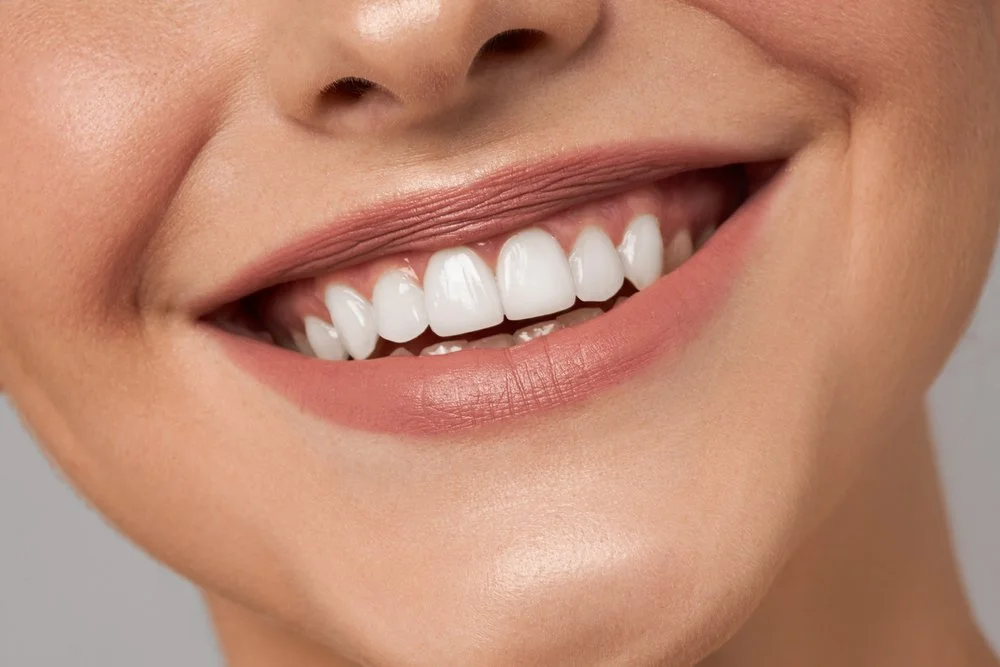
Understanding Tooth Sensitivity During Whitening
Professional teeth whitening is one of the most requested cosmetic dental treatments for improving smile brightness and confidence. Many patients searching for a trusted dentist in Selkirk are interested in whitening but hesitate because they worry about possible tooth sensitivity.
Tooth sensitivity during whitening is common but usually temporary and manageable when treatment is performed under professional supervision. At Selkirk Crossing Dental, whitening treatments are designed to improve tooth colour while prioritizing patient comfort, enamel safety, and long-term oral health.
Understanding why sensitivity happens — and how dentists actively work to reduce it — can help patients feel more comfortable choosing professional whitening treatment.
Why Teeth Become Sensitive During Whitening
Whitening treatments use professional-strength whitening agents that penetrate enamel to break down stain molecules inside the tooth structure. During this process, enamel becomes temporarily more porous, allowing whitening ingredients to reach deeper stain layers.
This temporary change can allow stimuli like cold air or cold beverages to reach the inner tooth layer more easily, creating short-term sensitivity. In most cases, this sensitivity resolves within a few days after treatment.
Patients who already experience tooth sensitivity may notice stronger temporary effects if whitening is not properly customized.
Who Is More Likely to Experience Whitening Sensitivity
Some patients naturally have a higher risk of sensitivity during whitening treatment. These include:
Patients with naturally thin enamel
Patients with gum recession exposing root surfaces
Patients who grind or clench teeth
Patients with untreated cavities or enamel damage
Patients who frequently use over-the-counter whitening products
Before starting whitening, a full dental exam helps identify these risk factors and allows treatment to be customized safely.
Why Professional Whitening Is Safer Than Store-Bought Whitening
Professional whitening performed by a Selkirk dentist offers important safety and comfort advantages compared to store-bought whitening products.
Professional whitening includes:
Customized whitening strength
Gum protection barriers
Sensitivity-reducing ingredients
Clinical supervision during treatment
Custom-fitted whitening trays if take-home whitening is used
This level of customization helps minimize discomfort while still delivering effective whitening results.
How Dentists Minimize Whitening Sensitivity
Detailed Pre-Treatment Assessment
Before whitening begins, dentists carefully evaluate:
Enamel thickness
Gum health
Existing dental restorations
History of sensitivity
Areas of enamel wear
This ensures whitening is only performed when it is safe and appropriate.
Desensitizing Treatments Before Whitening
Many whitening plans include pre-treatment sensitivity management. Fluoride or desensitizing agents may be applied to strengthen enamel and help block sensitivity signals.
Gradual Whitening Approach for Sensitive Teeth
For patients with sensitivity concerns, dentists may recommend lower concentration whitening over a longer treatment timeline. This gradual approach can significantly reduce discomfort while still achieving noticeable whitening results.
Custom Whitening Trays for Even Distribution
Custom trays ensure whitening gel stays evenly distributed and does not leak onto gum tissue, helping reduce irritation and improving patient comfort.
Protecting Gum Tissue During Treatment
Professional whitening often uses protective barriers to shield gum tissue from whitening agents, reducing soft tissue irritation.
Post-Whitening Sensitivity Management
After treatment, dentists may recommend:
Sensitivity toothpaste
Fluoride strengthening treatments
Avoiding extremely hot or cold foods temporarily
Spacing whitening sessions if needed
When Whitening May Need to Be Delayed
In some cases, whitening may be postponed until other dental concerns are treated. This may include treating cavities, improving gum health, or restoring worn enamel.
Addressing these concerns first helps ensure whitening is safe and comfortable.
Setting Realistic Whitening Expectations for Sensitive Teeth
Patients with sensitive teeth can still achieve brighter smiles, but treatment may be adjusted to balance comfort and results.
Gradual whitening often produces more stable, comfortable, and predictable results compared to aggressive whitening approaches.
Maintaining Whitening Results Without Increasing Sensitivity
After whitening, patients can maintain results by:
Using dentist-recommended sensitivity-friendly oral care products
Limiting frequent exposure to staining beverages
Attending regular dental hygiene visits
Following recommended whitening maintenance schedules
The Importance of Personalized Cosmetic Treatment Planning
Every patient’s teeth respond differently to whitening. At Selkirk Crossing Dental, treatment planning focuses on:
Long-term enamel protection
Sensitivity risk management
Natural-looking whitening results
Patient comfort during and after treatment
The goal is to provide whitening that improves smile aesthetics without compromising tooth health.
When to Schedule a Whitening Consultation
If you have avoided whitening due to sensitivity concerns, a professional consultation can help determine whether whitening can be safely customized for your teeth.
Early evaluation helps identify sensitivity causes and allows dentists to create a treatment plan designed specifically for your comfort level.
Book Your Appointment at Selkirk Crossing Dental
If you are interested in professional whitening but are concerned about sensitivity, Selkirk Crossing Dental provides customized whitening solutions designed to deliver results while minimizing discomfort.
Call today to schedule your appointment at 204-481-4484 and learn how professional whitening can help you achieve a brighter smile safely and comfortably with guidance from a trusted dentist, Selkirk provider.